Investment Perspectives
Turning houses into homes: how institutional practices can assist the delivery of quality affordable housing
By Ann Xu, Portfolio Manager, UK Affordable Housing Fund, CBRE Investment Management
February 5, 2026 4 Minute Read Time
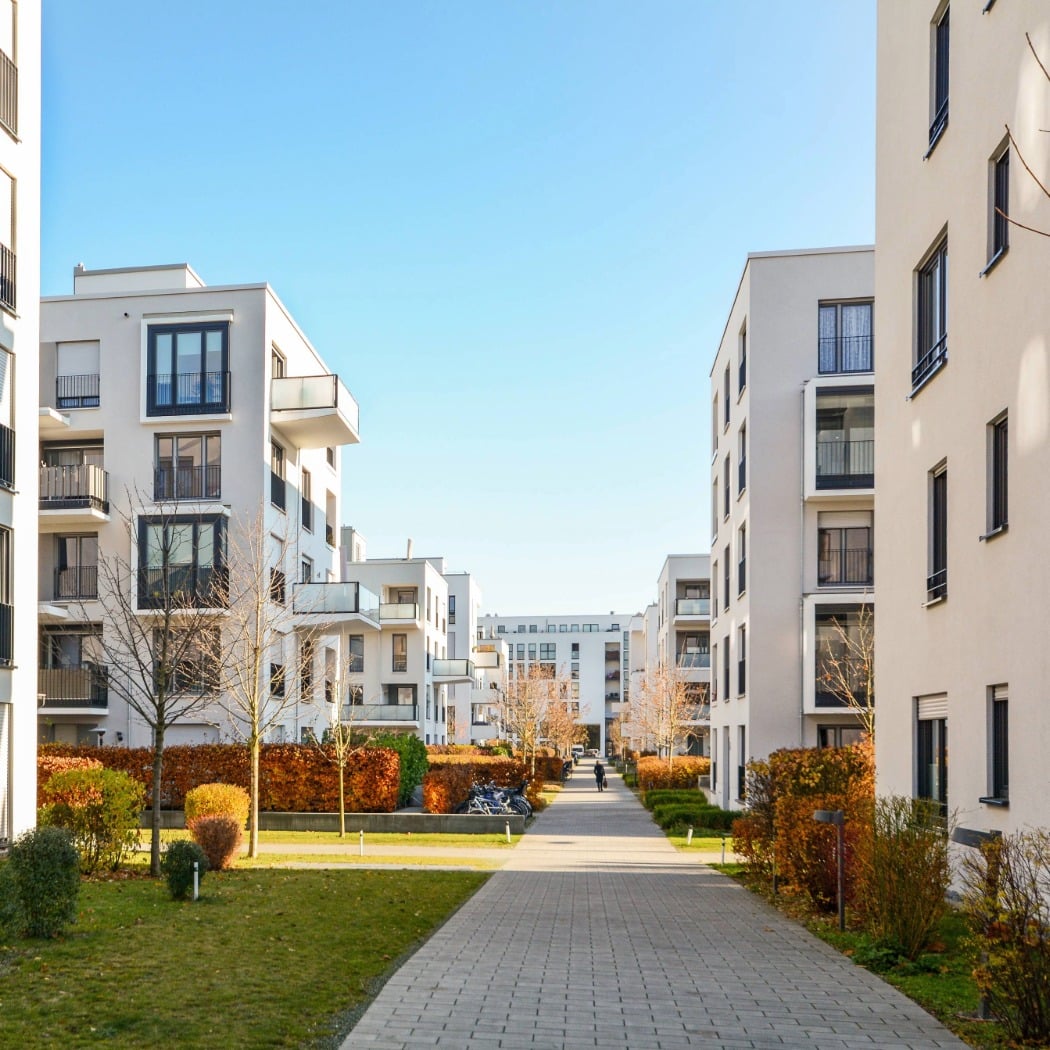
The goal is clear and the ambition is shared. Collectively, we need to build more homes, and we need to do so in a sustainable way. Traditional housing associations have been building homes for centuries, shaping communities across the country. Institutional investors and landlords are relatively new entrants to this space but share the same ambition: delivering homes that meet the needs of today and tomorrow.
While increasing supply remains the sector’s most pressing challenge, improving quality is equally critical. This article offers an institutional perspective on how disciplined investment and management practices can help the sector to continue to raise standards. Investment in Build to Rent (BTR) has learnt that a keen focus on thoughtful specification and a resident-focused service delivery can benefit all stakeholders. By offering a tenure blind approach, affordable housing can set a new benchmark.
Long-term patient capital requires future-proofed homes to meet sustainability targets and social impact commitments
It is essential to consider how we align house building and management with long-term capital requirements. Future-proofing homes helps achieve stable cashflows; retrofit is expensive and logistically complicated, often involving decants to preserve lifelong tenancies, so new homes must be built to serve the needs of tomorrow.
Specifications need to incorporate high-performance insulation, air source heat pumps for low-carbon heating, and solar panels. Technology also plays a role in managing risk and reducing operating costs; installing damp and mould sensors, leak detection devices, low energy lighting and energy efficient white goods helps prevent health risks and enables proactive maintenance. Together, these reduces lifecycle costs, improve resident satisfaction, and position affordable housing as a sector that embraces innovation and sustainability.
Homes should be ready for immediate occupancy, fully functional, aesthetically pleasing, and aligned with brand standards. Simple additions such as integrated blinds, flooring and white goods create a sense of quality from day one, and crucially reduce move-in costs for residents. Providing someone with an affordable home but requiring them to spend thousands on essential fixtures and fittings is counterproductive.
Building community through structured engagement and a tenure blind approach
Creating a home also means creating a community. Building homes is only part of the story; residents need spaces and opportunities to connect. Institutions need partnerships with Registered Providers to share learnings, push each other to continuously improve and deliver a resident-focused service.
The affordable housing sector is embracing a culture of structured engagement. The Tenant Satisfaction Measures (TSMs) are akin to more established practices in the BTR sector, where the value of the resident experience is prioritised and tracked through regular surveys, feedback loops and proactive communication. Surveys and digital platforms enable real-time connections but, while technology will play an increasingly important role, there is no substitute for human interaction. Fast response times, clear communication, and visible people on the ground remain fundamental. Residents must feel safe and supported, but combining traditional approaches with tech-driven solutions helps ensure this.
Borrowing from BTR, simple initiatives - seasonal events, children’s activities, resident gatherings - can strengthen social bonds at minimal cost. Affordable housing residents deserve the same opportunities for connection through a tenure blind management approach that treats all residents with the same standard of service.
Institutional investors with broader residential platforms can also help facilitate the creation of mixed-tenure communities. Greater engagement with residents can help foster loyalty and build communities where people feel valued.
Assisting the delivery of quality homes through forward funding
The forward funding approach is an effective route for institutions to help build affordable housing that can be efficiently managed. By committing capital early, investors and their registered provider partners can influence design and specification from the outset with the resident experience in mind. By its nature, this model provides useful financial clarity and stability for development to happen and ties capital to the creation of quality purpose-built homes.
Working with developers and housebuilders who share institutional standards helps maintain transparency, consistency and accountability throughout the delivery period and beyond. This builds confidence among all stakeholders and helps raise the bar for the provision of quality affordable housing in the sector.
Affordable housing can match – and in our experience, exceed – private rented sector standards by embracing institutional best practices. From specification-led design to resident engagement and disciplined funding models, these approaches offer a pathway to homes that meet social and financial objectives. Collaboration between investors, developers, and housing associations is essential to achieve this vision.
If we align our approaches and share our expertise, we can deliver more than just buildings - we can create homes that endure and communities where people feel valued. That is how we turn houses into homes.